

Consumer Shopping Needs
Mental Model Diagram and Jobs To Be Done Theory
Company: Pampered Chef
Date: Feb 20’
Roles: UX Lead, Workshop Facilitator
Challenge
One of the biggest challenges we face in business is deciding on which areas of improvement or innovation to focus on. Everyone has their own idea of what can bring value to a user or organization, but to be truly centered on what user needs are, we need to understand the motivations behind them.
I was presented with the task of working with our company’s Experience & Innovation team to develop a process for identifying these potential areas of improvement when it came to shopping with our brand.
- Process -
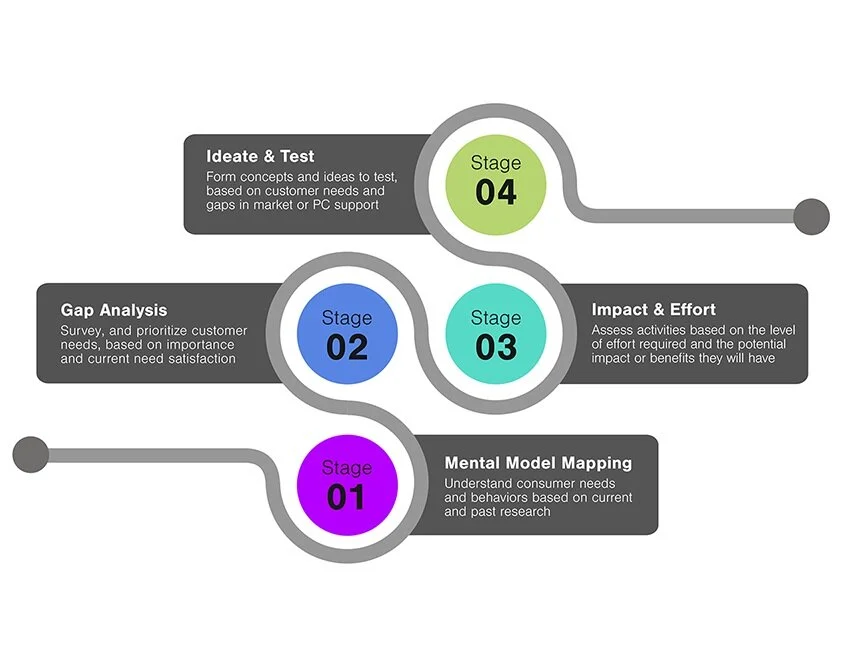
My approach was to take previous and current research conducted within the company and build a customer mental model map. We would then take this map and start to combine pieces of Tony Ulwick’s Outcome-Driven Innovation and jobs to be done theory to identify and prioritize customer needs.
We would utilize a gated framework that began with discovery and analysis and ended with testing and prioritization.
- Building the Map -
To build the map, we first needed to review past and present research on consumer shopping behaviors. We went over internal qualitative and quantitative findings that included ethnographic studies, market research, and in-person interviews. We then came together as a smaller group to discuss and analyze the data provided. This group was cross-functional and consisted of UX, Marketing, Innovation, and Research.
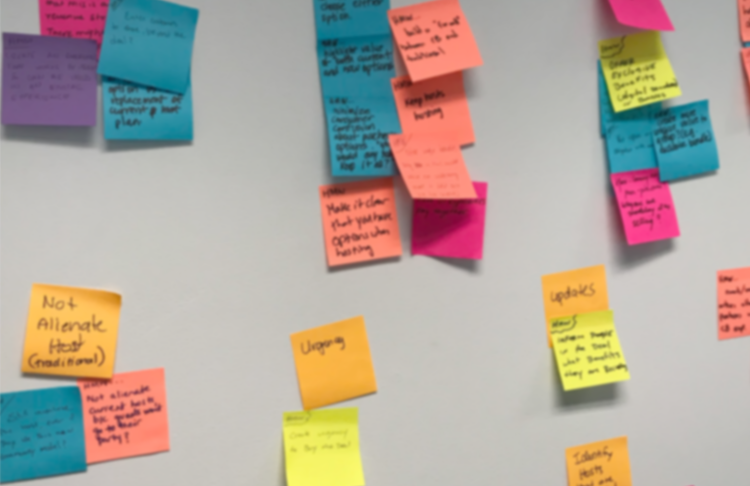
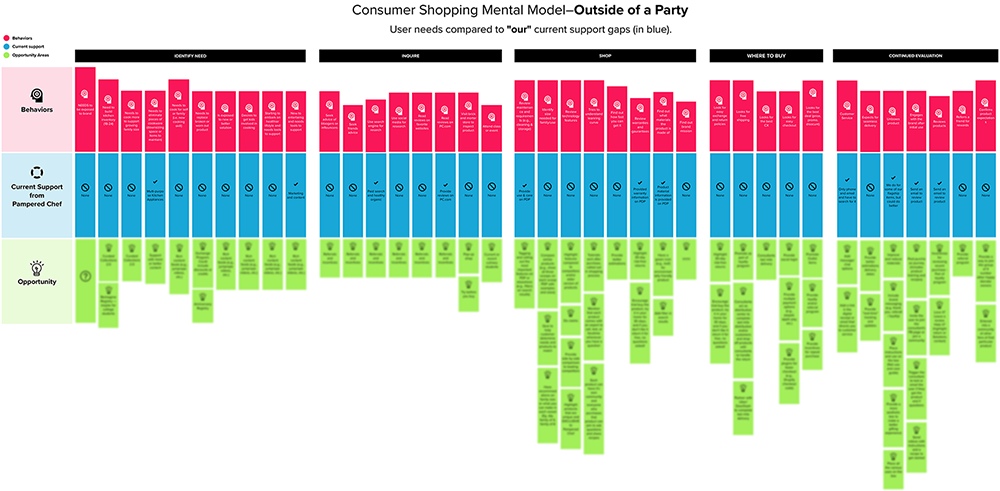
We then analyzed the findings to understand the jobs consumers were trying to get done as it related to shopping for new kitchenware. We developed themes by clustering individual findings into groups. This gave us a larger picture of the steps taken in the purchasing process. Before you knew it, goals and needs began to emerge and we had developed our first tower in the diagram. This tower of behavior sat at the top and below that, sat the current support we offered (if any) for that need or goal, and then finally at the bottom were areas for future work or possibilities.
- Prioritizing Needs -
To prioritize, we took those needs and goals from the diagram and performed an importance and satisfaction gap analysis. This helped us with a few things. It identified substandard or lacking strategies, structures, capabilities and then offered recommended steps to remedy that. This also provided a much clearer path of the work needed to be done to achieve a more acceptable state of performance. Instead of evaluating what competitors were doing or the latest trends in technology, we were taking a more intentional look at both our current and potential customers to make sure we were delivering on their needs.
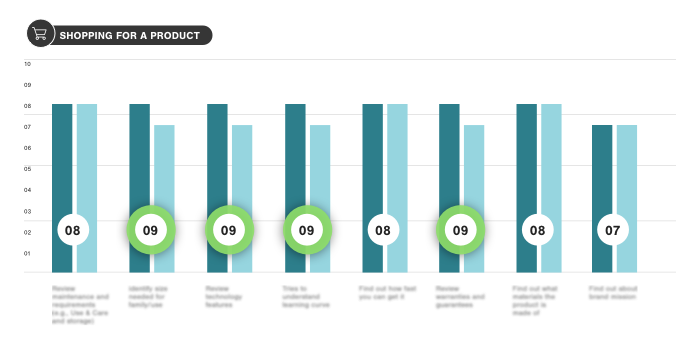
To perform the gap analysis we took those key needs or goals and developed about 30 outcome-driven statements. We took those statements and launched a quantitative survey with 500 participants to make sure our margin of error was less than 5%. Once we received results we calculated opportunity scores by taking the score of importance and adding the satisfaction gap. As an example, if the importance is 8 and the satisfaction gap is 1 then the opportunity score is 09 (09=8+(8-7)). Something important to mention here is that this exercise is not focused on financial impact or market size. It solely focuses on customer needs and the opportunity for adoption.
- Next Steps -
Once we calculated the results from the survey, we measured it against impact and effort and then socialized it with the larger team and leadership. This provided us with a much more confident approach with the work we were prioritizing — one that was firmly grounded in the needs of our customers.